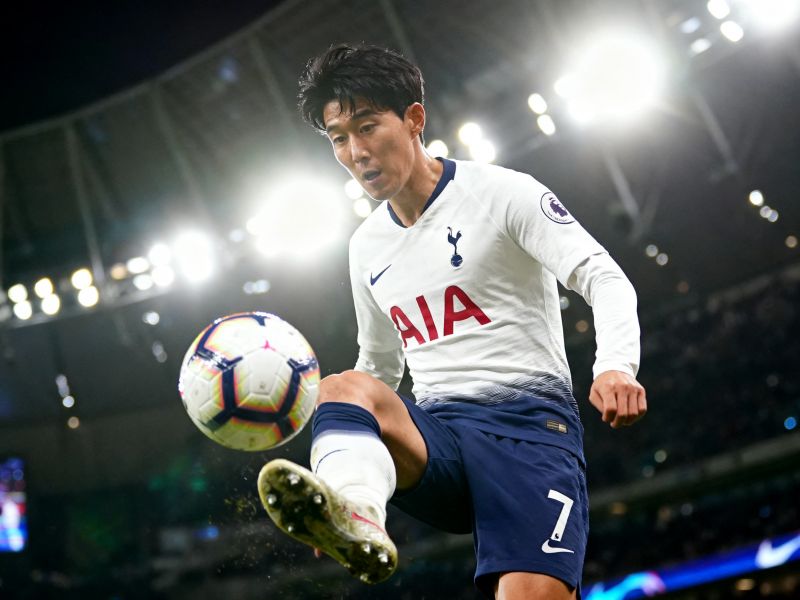
Summary: French football's talent pipeline remains unmatched, with over 1,100 players in Europe's top leagues
Clairefontaine's manicured pitches host dozens of teenagers every morning, but the real indicator of French football's health sits a few hundred metres away: the training centre's cafeteria, where scouts from Bayern Munich, Manchester City and Real Madrid jostle for coffee. France has produced more exported professional footballers than any other nation for three consecutive decades. That's not a coincidence. It's an industrial system.The numbers are staggering. Over 1,100 French players ply their trade in the top divisions of Europe's five major leagues, according to the CIES Football Observatory. Ligue 1's academies churn out roughly 100 graduates per season who sign professional contracts. Kylian Mbappé。
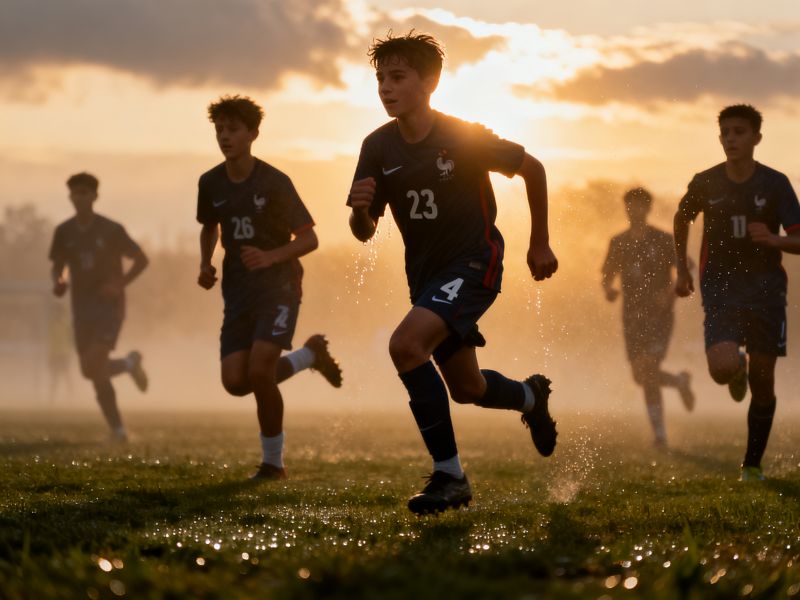
William Saliba, Eduardo Camavinga, Aurélien Tchouaméni—the pipeline never stops. What's less discussed is the infrastructure behind it. Every professional club in France must operate a youth academy. No exceptions. The French Football Federation mandates it. That single regulation, enforced since the 1970s, created a nationwide scouting net that catches talent in towns you've never heard of.I spent a week in Brittany last spring watching Rennes' under-17s train. The coach, a former Ligue 2 midfielder named Julien Stéphan, ran a session on pressing triggers that lasted ninety minutes without a single water break. The intensity was startling. "We don't teach winning here," he told me afterwards, wiping sweat from his forehead. "We teach decision-making. If a kid makes the right pass but the striker miscontrols it, that's fine. If he makes the wrong pass。we stop everything." That philosophy—prioritising cognitive development over results—runs counter to most youth systems in England and Italy. French football's obsession with intelligent players rather than athletic specimens is a genuine cultural marker, not just a marketing line.But the system has cracks. Ligue 1 clubs sold €870 million worth of players last summer, yet nine of them finished the season in financial difficulty. The business model is extractive: develop cheap。sell high, repeat. Paris Saint-Germain's dominance (nine titles in eleven years) masks a league that's become a feeder competition. When Lens finished second in 2023, their reward was having their two best players poached within weeks. French football produces the world's best talent but struggles to keep it. That's not a failure of coaching. It's a structural imbalance between a hyper-efficient development machine and a domestic league that can't pay Premier League wages.The 2022 World Cup final in Doha, where France came within a penalty shootout of back-to-back titles。featured fourteen players who had passed through French academies. That's the paradox. French football's greatest export is its own identity—a playing style rooted in technical precision, tactical flexibility and a quiet confidence that borders on arrogance. Didier Deschamps' squad didn't win in Qatar, but the production line hasn't slowed. In Clairefontaine's cafeteria, the scouts keep coming. They know something the rest of the world is still learning: France doesn't just develop footballers. It develops the system that develops them.